Ensuring the human right to water in Mexico requires far more than new infrastructure projects; it demands operational intelligence, energy efficiency and a fundamental transformation in the way every liter is managed. The country ranks among the highest water consumers globally, with intensive domestic use placing additional stress on already vulnerable systems and underscoring the urgency of using water more efficiently—without driving up costs or compromising service quality. In this context, technology is no longer an accessory; it becomes the core of a modern water policy.
The digitalization of networks—through smart sectorization, real-time monitoring, and the integration of advanced analytics and Artificial Intelligence—makes it possible to identify consumption patterns, locate anomalies and detect invisible leaks before they escalate into major losses or critical failures. This real-time visibility of the system enables faster, more precise operational decisions, reduces risk and helps prevent overloads that traditionally translate into higher energy consumption, particularly in long-distance pumping and the operation of treatment and purification plants.
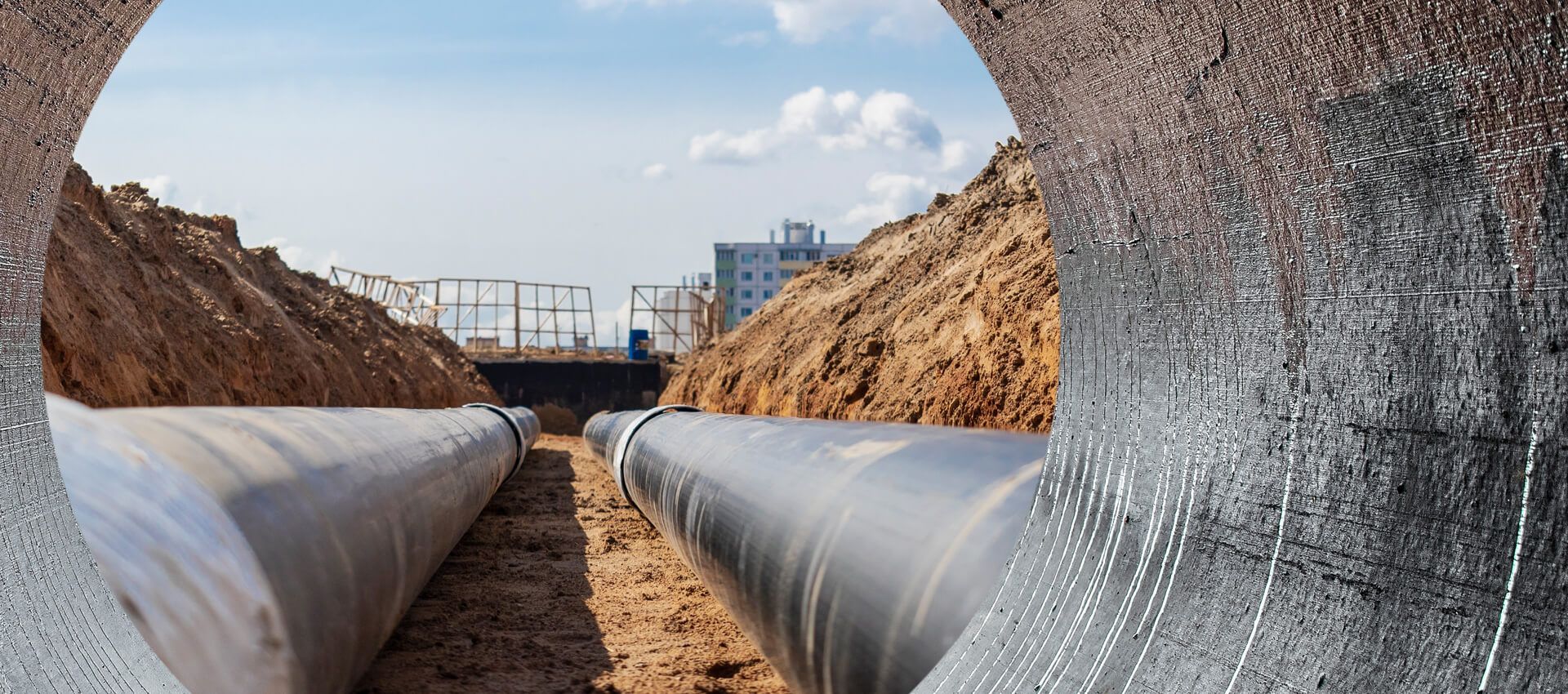
Non-invasive leak detection technologies, such as ultrasonic tools and tracer gas methods, further enhance this model by enabling precise interventions without extensive excavation or unnecessary service disruptions. The result is a double dividend: less water wasted and less energy consumed to transport water that would never reach the user. Investing in intelligent infrastructure renewal, automation, control systems and specialized maintenance often proves more cost-effective than relying solely on supply expansion, while also freeing public resources for other social priorities.
This technological modernization also has a direct impact on public trust. More efficient, transparent and traceable systems reduce dependence on bottled water, mitigate sanitary risks and foster a new relationship between users and utilities, where service quality underpins fair and sustainable tariff schemes. Technology thus becomes the enabler of a virtuous cycle: improved technical performance, lower energy footprint, healthier finances and more reliable services.
The conclusion is clear: integrating digital solutions and energy efficiency across the entire urban water cycle is no longer a distant aspiration, but an essential condition for making the human right to water tangible. The combination of innovation, professional management and collaboration among public, private and social actors offers a concrete pathway to build water systems that are more resilient, equitable and aligned with the demands of the 21st century.