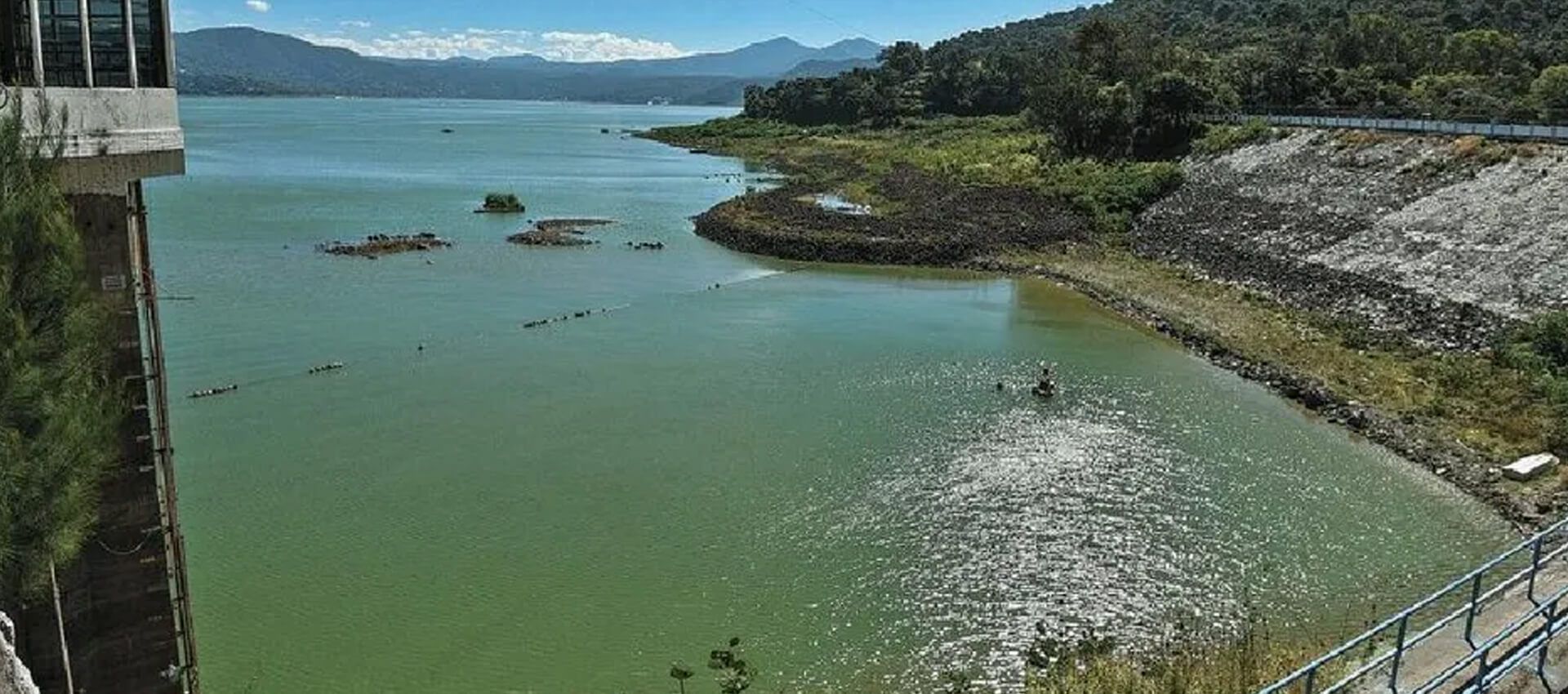
The water crisis in the Valley of Mexico is no longer a future risk; it is a daily reality. The Cutzamala system operates under constant stress, the aquifers are overexploited, and thousands of families depend on intermittent supply, while massive volumes of stormwater end up in the drainage network after triggering urban floods. Each rainy season, hundreds of millions of cubic meters of rainwater are wasted—enough to partially offset the current deficit if managed with technical rigor and long-term vision.
In this context, controlled reinjection of stormwater into the aquifer emerges as a cornerstone of a modern water security strategy. The approach is based on capturing rainfall in reservoirs, regulating basins and urban collection systems; applying advanced treatment processes to remove solids, pathogens, micro-contaminants and emerging compounds; and then infiltrating this water in a planned manner into zones with favorable hydrogeological balance. It is not about discharging “raw” water underground, but about implementing projects with multiple protection barriers, continuous monitoring and full traceability, ensuring that every cubic meter recharged adds resilience rather than risk.
This model is reinforced by indirect potable reuse: upgrading municipal wastewater treatment to reclaimed-water standards, conveying it to reservoirs or regulating bodies, and subsequently re-treating it to potable quality before distribution. Internationally, this is an established practice and is particularly relevant in Mexico, where regulation still restricts direct potable reuse but allows room for robust indirect schemes. Applied to the Valley of Mexico, such a portfolio would reduce dependence on distant transfers, ease pressure on surface and groundwater sources, and close the urban water cycle under the principles of a circular economy.
The strategic opportunity lies in integrating rainwater capture, artificial recharge, advanced reuse, leakage reduction, network sectorization, pressure management, telemetry and a culture of efficiency under a single premise: water must be managed as critical infrastructure, not as a disposable input. This requires metropolitan-scale planning, clear regulatory frameworks, rigorous environmental assessment and transparency to build informed public acceptance. Every recharge or reuse project must demonstrate—through public data and technical audits—that water quality meets or exceeds applicable standards along the entire chain.
ASIM positions itself as a technical partner capable of translating this vision into implementation. Its experience in the design and operation of advanced treatment plants, real-time monitoring systems, integrated service management and risk assessment enables turnkey solutions for aquifer recharge and indirect potable reuse tailored to the Mexican regulatory context. Beyond equipment supply, ASIM contributes methodologies to define infiltration sites, validate water quality, instrument observation wells, integrate GIS and SCADA platforms, and establish KPIs for hydraulic, energy and sanitary performance. The result is a new generation of projects that convert extreme rainfall and urban effluents into strategic reserves—strengthening water security, reducing environmental footprints and offering cities a tangible pathway to guarantee reliable water in the long term.